


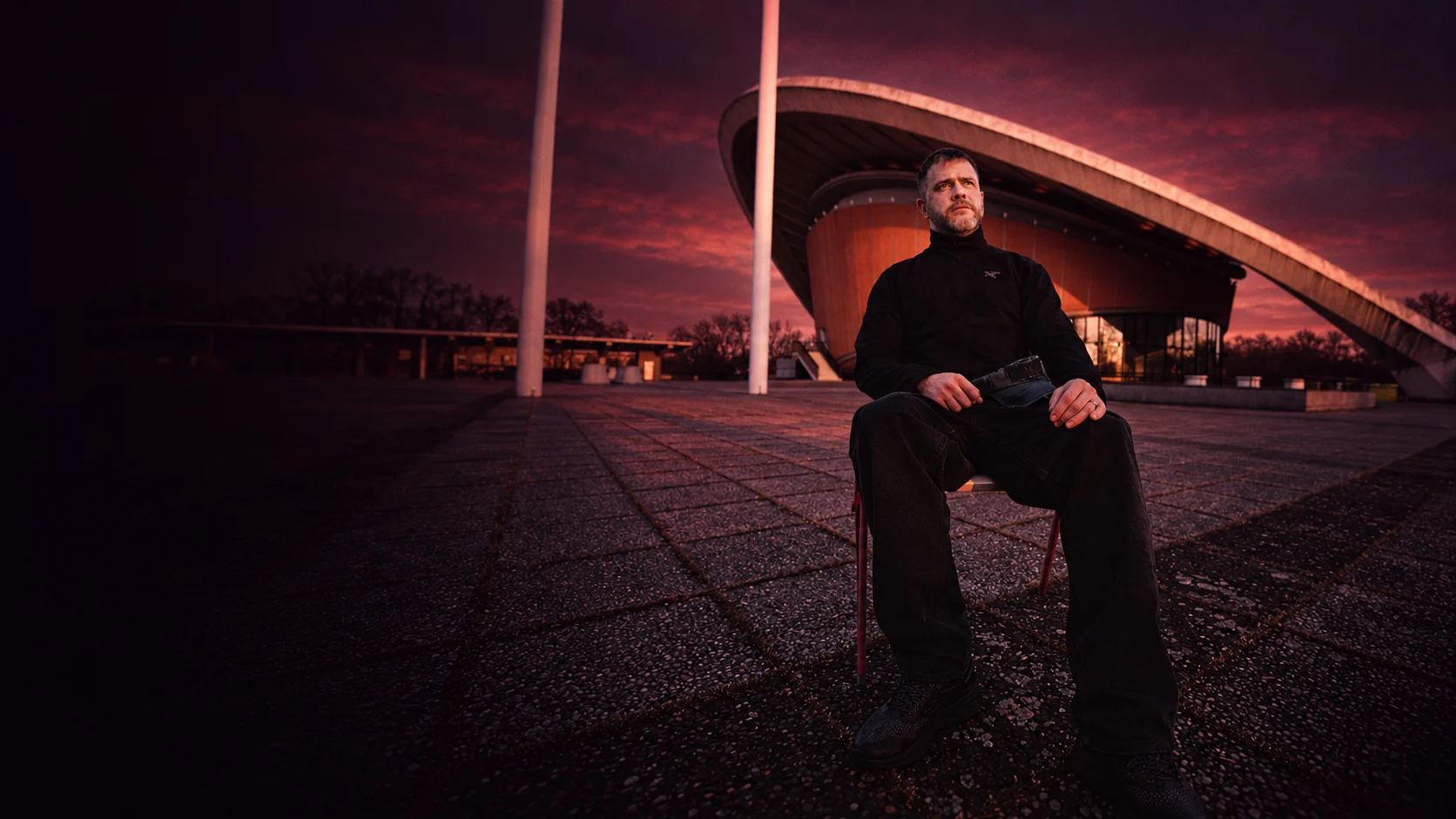
GERALD
VDH.
Never the same night.
Gerald VDH on MEAT Market, the privilege of playing at home and nights that ask for more than the next familiar track.
MEAT MARKET · MEAT RECORDINGSFacing the same people every month does not make DJing easier. For Gerald VDH, that is where the work begins: digging deeper, hearing familiar music differently and surprising the floor without losing its trust. A lack of queer nights with musical ambition in Vienna became a practice that has to prove itself again and again.
As a DJ, the organiser behind MEAT Market and a producer releasing through MEAT Recordings, Gerald VDH treats music, the audience and organisation as parts of the same work. He says his nights have been running for well over 15 years. His album SNACKS came out in 2022; in this conversation, he describes it as the result of two decades spent on dancefloors.
A missing night becomes a reason to act.
There was no elaborate brand plan at the beginning. Gerald was asking where he wanted to go out himself. Abroad, he encountered queer parties with a musical openness he felt was missing in Vienna. Rather than leaving that dissatisfaction as a complaint, he began creating his own nights. That founding impulse still shapes his approach. His criticism of today’s fun-techno trend is explicitly his own perspective.
Looking back at the first MEAT Market nights, what did you want to experience in Vienna that was missing when you went out? Is anything from those beginnings still just as important to you?
MEAT Market and all the other events really grew out of a lack that I felt very strongly. In my view, there were hardly any queer parties in Vienna that focused on good music. Everywhere played the same songs. I was travelling abroad a lot then, especially to big cities. There I experienced parties with alternative, high-quality music. I have always lived by the motto: “Nothing good happens unless you do it!” So I decided to address that lack.
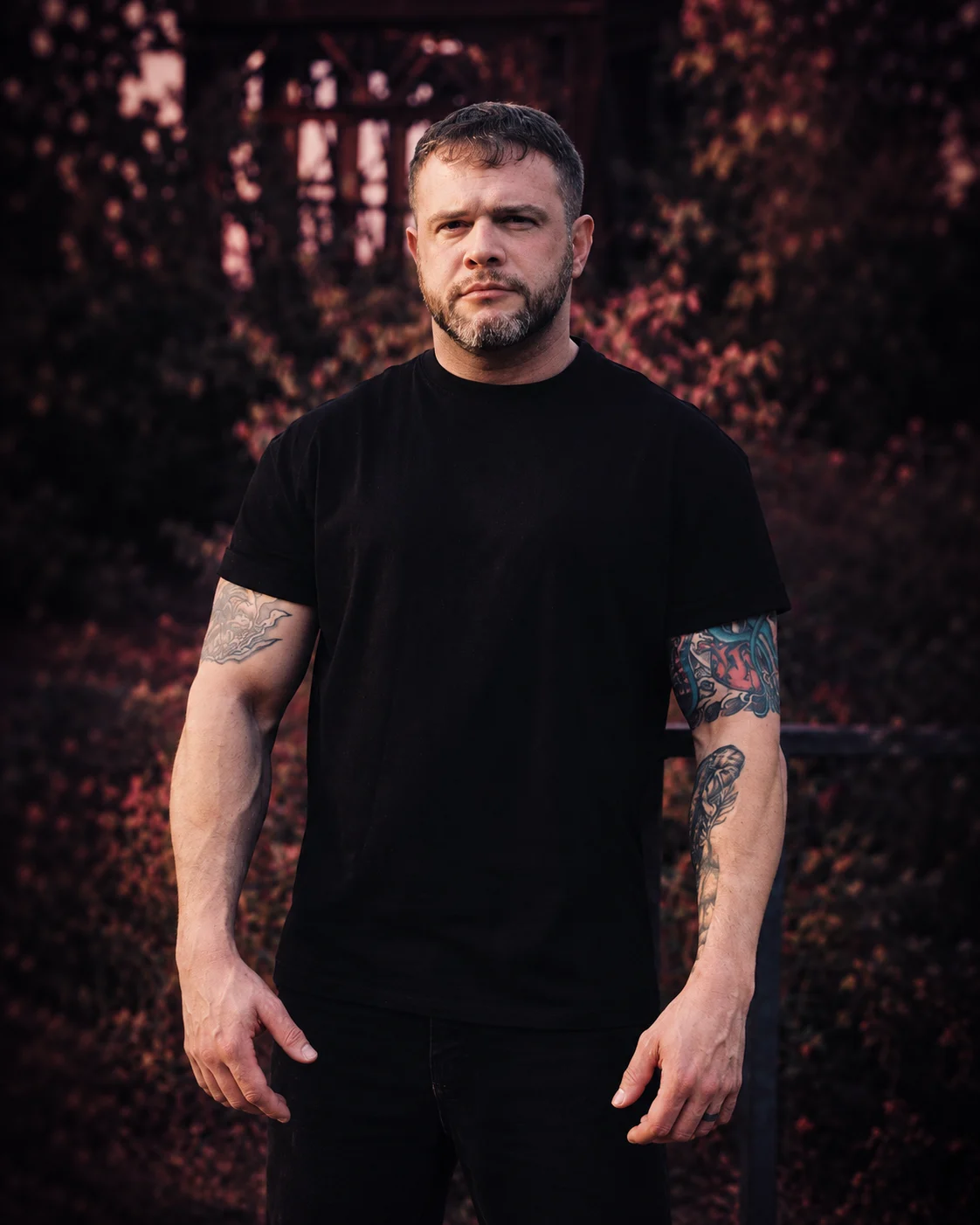
Today, without our parties, things would be grey all over again. Techno parties today are often a fairground for TikTok addicts celebrating Schlager-techno. We stay true to our line of quality. Our sound changes too. But forwards, not backwards. Because — and this is very important to me — the fun-techno currently perceived as “new” sounds exactly like the music I had to endure on Radio NRJ at night in 2002, on the taxi ride home.
Playing at home asks for more.
A residency depends on people returning. Musically, that makes repetition a challenge rather than a solution. Familiar faces bring a shared history to the room, but they also listen closely. Gerald sees playing at home as a privilege that demands work: finding new records and taking different paths while keeping a connection to the floor.
Being a resident means winning people over in new ways, again and again.
You regularly play for people who have followed your nights for a long time. What do you dare to do musically with this audience that you might approach differently on a first guest appearance? Tell us about a track or moment that surprised you.
When you have a “home game” every month, you have to dig much more than when you travel from club to club and city to city. I have done that too. Being a resident means winning people over in new ways, again and again. Presenting the proven, the old and the new. Entertaining the heads in different ways, and challenging them too. An incredible privilege I have been able to enjoy for many years. Thank you here to all my loyal dancers. Without you I’m nothing at all.
A team, rather than a succession of guests.
At F*cken Plus, the musical direction is not built solely through individual bookings. Gerald works with residents he followed for years, people who first came to the nights as dancers themselves. Their sounds can differ. What connects them, in his view, is the ability to entertain a floor while asking something of it. The second floor gives space to committed young crews.
How do you choose guests for a F*cken Plus night? What makes you curious about someone, and how do you decide who fits together musically, even when their sets sound different?
I am one of the few organisers in Vienna who works mainly with resident DJs. Right now, they are Annika Stein, DJ Deadlift, Manu:ra, Violetta and me. I followed these artists for years. They all regularly came to our parties before joining the team. Each has their own sound. They are all really good technically. None ever leaves the territory of quality music. The path between entertainment and ambition is always narrow. But my residents know how to walk it.
On the second floor, we book crews we like. Especially young, motivated people who show a lot of commitment. I have always been impressed when people get excited about music. That draws me in magnetically. When I feel that fire of passion for music, it makes me incredibly happy.
Trust also takes organisation.
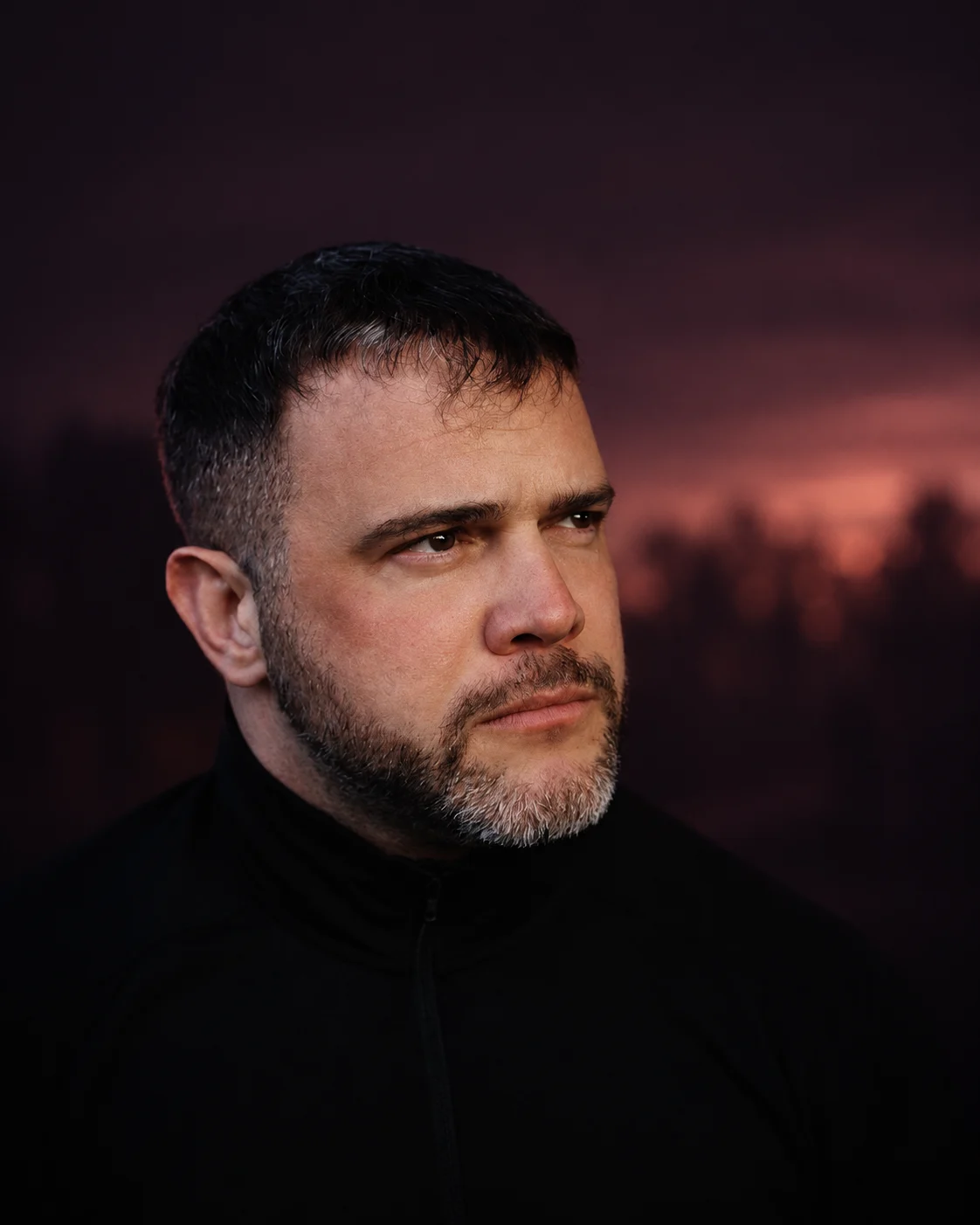
The relationship with an audience does not end at the decks. Gerald talks about awareness, door selection, communicating rules, looking after the darkroom and working with the venue. He seeks conversations during the events themselves. Turning those encounters into improvements is part of the work, as is a no-photo policy that protects the nights and deliberately limits their documentation.
Your events are closely connected to the queer scene. In your experience, what helps people feel welcome and shape the night themselves? Has feedback from guests led you to change anything?
We have been going for well over 15 years now. So much has changed, and our guests are the greatest source for the cycle of feedback and improvement. Particularly in recent months, I have spent a lot of time among the visitors, looking for conversations. Alongside the music, the organisation has to work too: awareness, door selection, the no-photo policy, communicating rules beforehand, looking after the darkroom, working with the venue, and so on.
We really are tireless in feeling our way into things, redesigning, improving and putting them into practice.
From dancing to a record — and back.
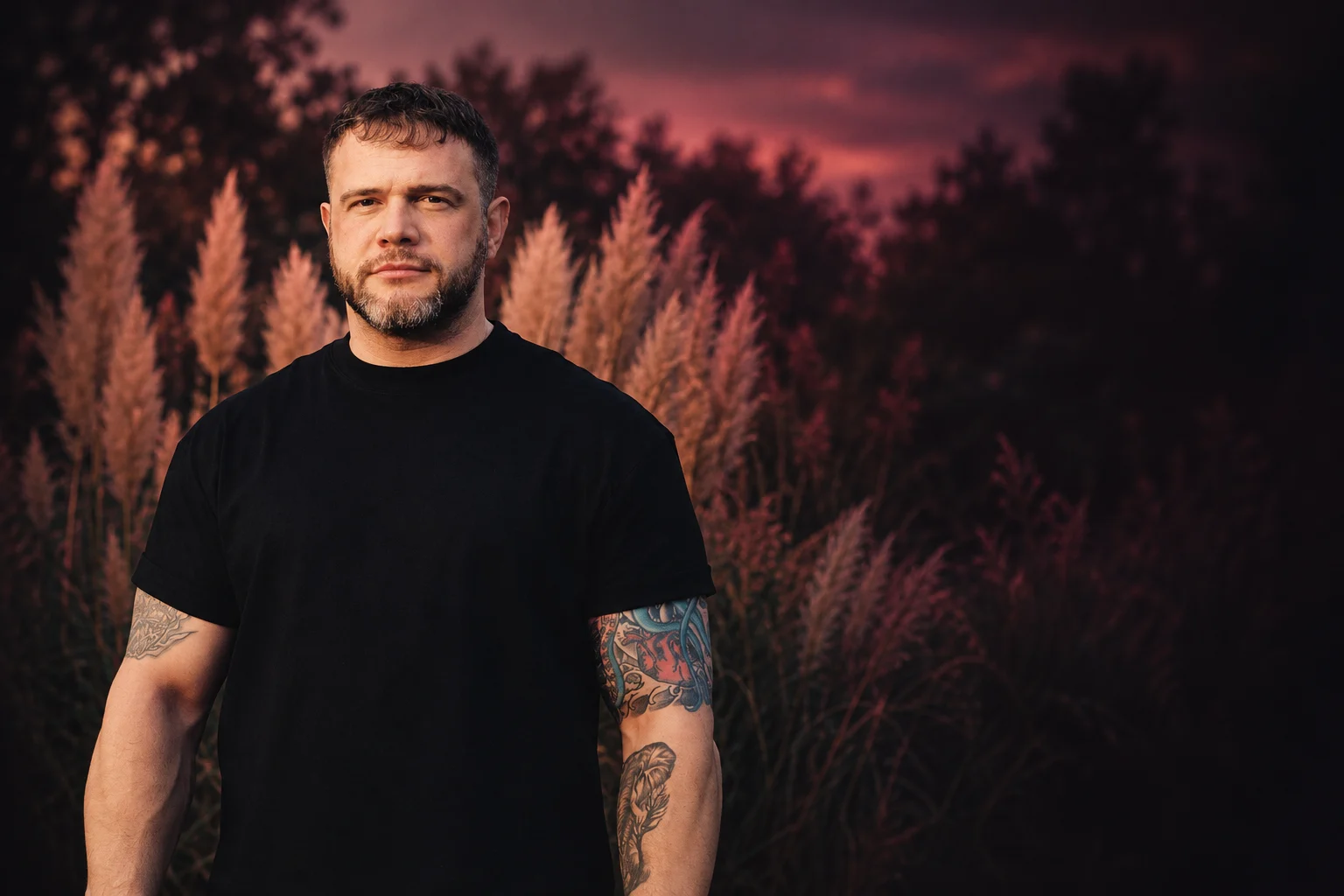
The cycle continues in the studio. Gerald takes what he hears and experiences when going out into his sets and productions. Released on MEAT Recordings on 10 June 2022, SNACKS gathers that experience into an album. He also looks ahead to Annika Stein’s planned first MEAT release: they have made a track together, while funds for the pressing are still needed. No release date is announced.
You also release music through MEAT Recordings. Is there a track or release whose idea came out of a club night? How did something you experienced on the floor become something you wanted to produce or release?
All our releases are prêt-à-danser releases. Music for the dancefloor. That is a cycle too. Whenever I go out dancing myself, I find inspiration for tracks or for the next set. My first and only album, SNACKS, is the result of 20 years of going out dancing.
We hope to drop Annika’s first release on MEAT soon. We still need a bit more money for the pressing. But I can reveal this: it is a steamroller. We made one of the tracks together. It really hits hard. So do keep your eyes open.
Keep listening.
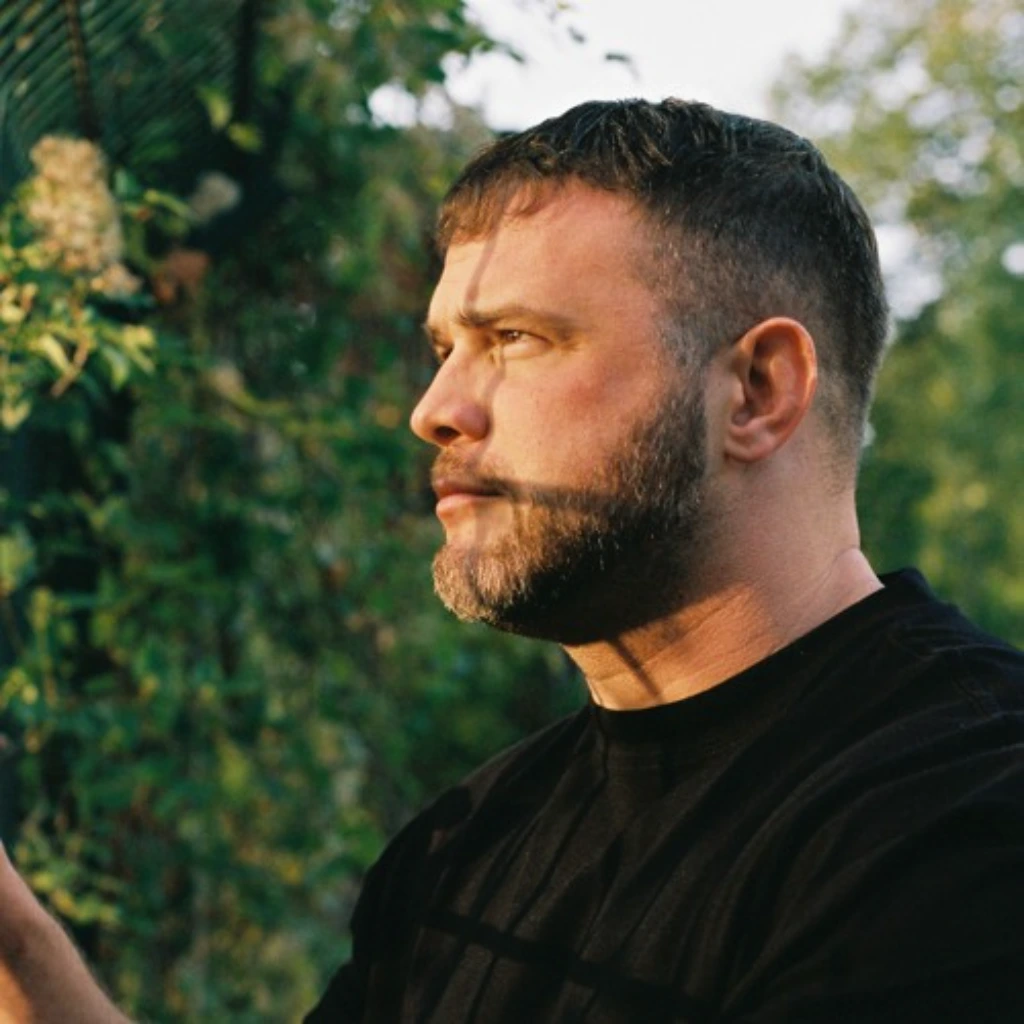
Photography: George Nebieridze