
Vienna’s new awareness rules move safer-clubbing practice into law
Since 1 July, qualifying music events from 300 people must plan formal support structures, name trained contacts and define how incidents are handled.
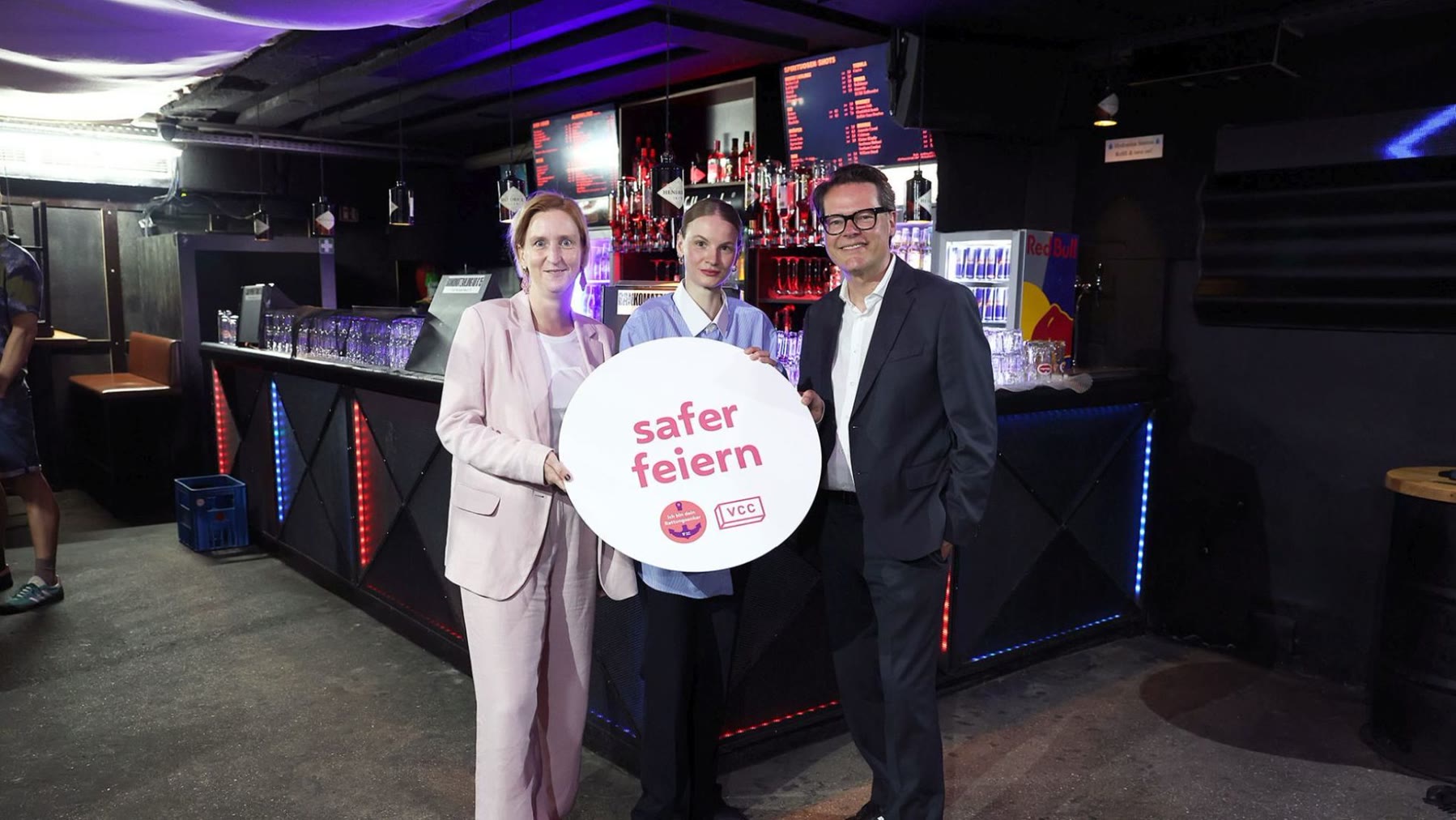
Vienna has moved a practice developed in clubs, queer spaces and independent events into the formal rules for larger nightlife and music gatherings. Since 1 July 2026, organisers must provide an awareness concept and designated awareness contacts when an event meets the legal conditions and can host at least 300 people.
The city’s event-authority guidance describes an awareness concept as an operational plan. It should identify responsibilities, communication routes, measures during the event and a clear response when somebody reports discrimination, harassment, sexualised violence or another boundary violation. If a club rents its room to an outside promoter, that promoter carries the obligation for the event.
The threshold is not a blanket rule for every 300-capacity cultural gathering. Vienna Club Commission guidance explains that the duties apply to events shaped by music, a dancefloor or standing area, alcohol service and an end after 21:00. Staffing rises with audience size: one contact from 300 people, two from 600 and three from 1,000, with further scaling for larger capacities.
The city says 180 people from the club and event sector were trained through its Safer Feiern workshops between 2024 and 2026. It also cites a 2023 nightlife survey in which 65 per cent of respondents said they had experienced discrimination, harassment or an assault at least once.
FM4’s report from Nina Chuba concerts at Wiener Stadthalle shows what implementation can look like: visible trained staff, coordination with security and emergency services, water and ear protection, support for panic attacks and a retreat space. Awareness staff are support contacts, not simply another name for security.
SWR Kultur placed Vienna’s step inside a wider debate about whether formal requirements improve safety or add pressure to organisers. That tension is real, particularly for small promoters using larger hired rooms. A written plan is measurable; whether guests can find and trust the people named in it is the harder test.
What to watch
Implementation data: inspections, complaints, training capacity and feedback from smaller Vienna promoters working in rooms that cross the legal threshold.
How this story was built
Primary Austrian material, independent context and source conflicts remain visible.