


ID: Interview 19—25.10.2026 · Vienna
SONIC
TERRITORIES
WHERE
WATER
GATHERS.
Where we come together.
Water, open spaces and a shared table. Mimie Maggale on Sonic Territories and the art of listening to one another.
Mimie Maggale · The conversation ↓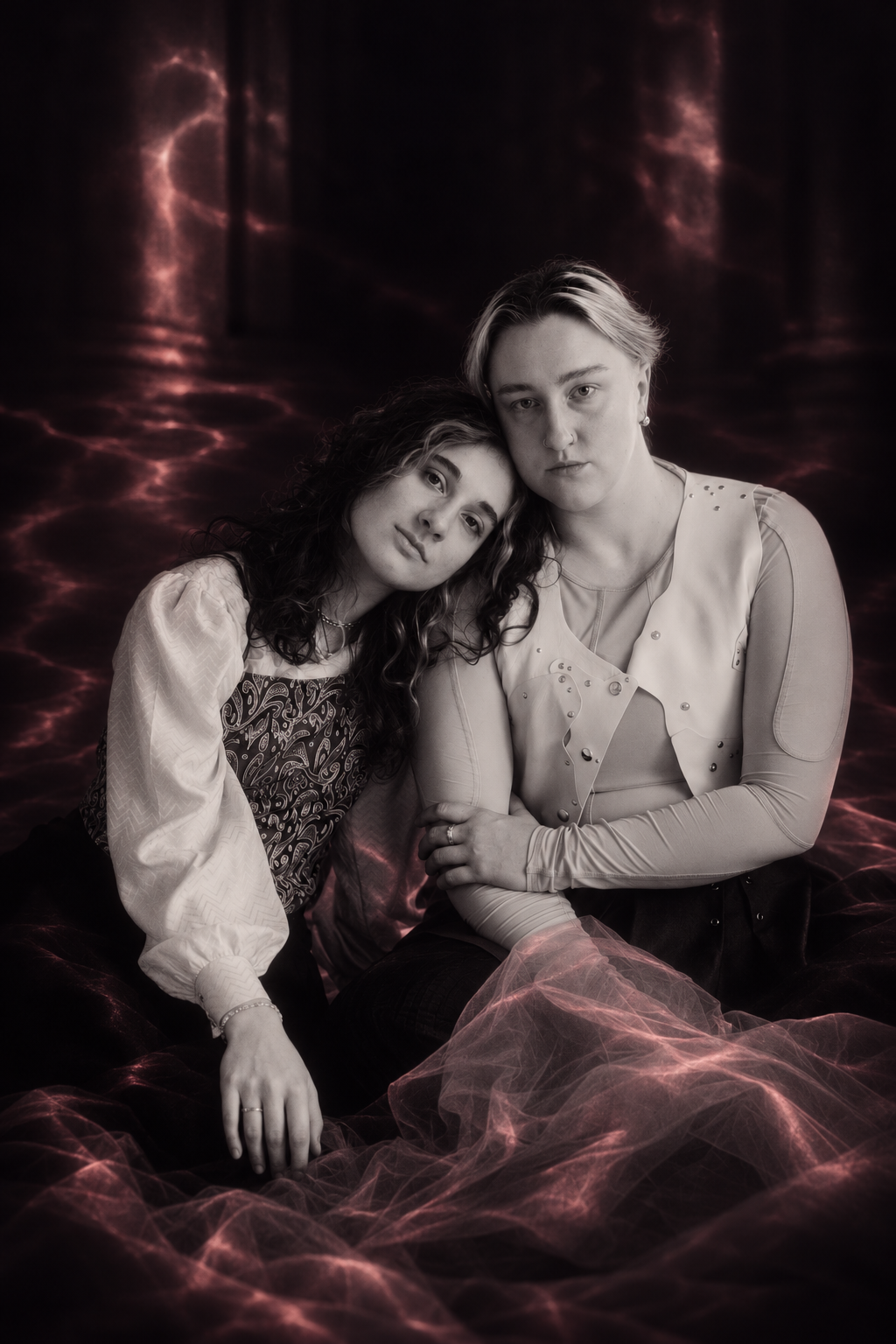
Mimie Maggale
Artistic Director / Sonic Territories
Before a festival becomes a programme, it is an idea of how people might meet. For Mimie Maggale, that idea begins with listening. The founder and artistic director of Sonic Territories thinks about sound beyond the conventional concert setting. Under the title “Where Water Gathers”, the festival week runs from 19 to 25 October 2026 across Vienna — and through different ways of being together.
An idea starts moving.
It begins with listening experiences: underwater recordings, Waterbowls, attention to something that might otherwise pass unnoticed. But water is not meant to become mere background sound. Maggale’s account moves from specific artistic encounters towards a question that runs through the festival: what brings people together?
Was there a place, an encounter or a listening experience that first made water a theme for you, before it became a festival concept?
Water has played an important role in sound art for a long time. I am fascinated, for example, by Jana Winderen’s underwater recordings, which give us access to acoustic worlds that remain hidden from our everyday perception. Three years ago, we also hosted Tomoko Sauvage with her Waterbowls at Sonic Territories — an incredibly intense listening experience that has stayed with me.
Originally, I wanted to work more with sound installations and artistic interventions directly by the water. But we often lack the financial and production resources for larger installations. At the same time, I knew I did not want to make a festival where things just “splash” for a week. I was less interested in simply reproducing water sounds than in what water might set in motion as an artistic and social theme.
So Where Water Gathers gradually developed from an exploration of water as an acoustic phenomenon into a broader curatorial idea: water as a metaphor for movement, change and the coming together of different people, artistic practices and experiences.
The room listens, too.
That question changes with the setting. A church comes with expectations about silence, posture and distance. Echoes of Softness works with precisely that tension. On 22 October, Pfarre St. Florian becomes a space the audience is invited to experience from more than a fixed seat.
You work in churches, Seestadt Studios and the Otto Wagner Areal. Could you describe how a particular place changes the experience of a work in this year’s programme?
A particularly lovely example of how our perception of a place can change is Echoes of Softness on 22 October at Pfarre St. Florian. The performance turns the church into a kind of sacred playground. The audience can move freely, take different perspectives and discover the space in an entirely different way. A place normally associated with certain rules, rituals and ways of behaving suddenly becomes open, accessible and playful. I find that combination of sacred architecture, experimental art and a certain informality particularly exciting.
THE RIVER
MOUTH
First: a table.
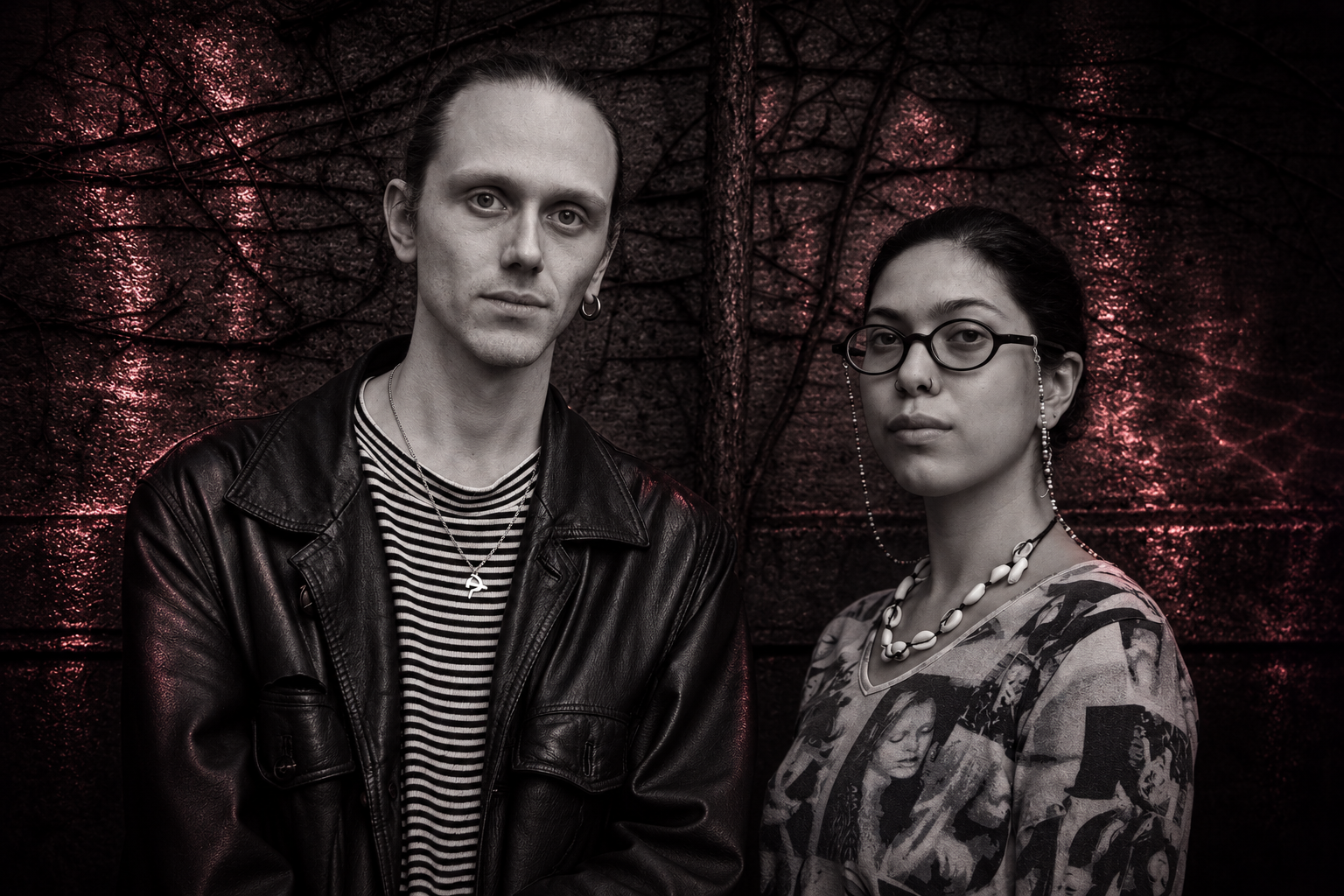
Before the week moves through its different listening spaces, it begins on 19 October at the Otto Wagner Areal with a shared meal. Chris Ruf and Momo are working with the 4lthangrund Küfa. Here, closeness comes not only through music, but also through sitting at the same table.
The opening brings food, conversation and listening to a shared table. Why did you want to begin this way? What can happen there that is harder to achieve in a conventional concert?
Chris Ruf and Momo are developing a plant-based menu together with the 4lthangrund Küfa, centred on a broth cooked and clarified over many hours. Around a shared table, we meet one another differently than in a conventional concert setting — without the usual division between stage and audience.
Sharing food also has something ritualistic about it for me. Our festival lasts seven days, almost like a small procession through different places in the city. We come together, share food and experiences, listen to one another and move on. Perhaps, for a moment, we can bring another world into being and work together towards new utopias.
Curiosity is enough.
For anyone who has so far viewed experimental music from the outside, this invitation offers a way in. Maggale does not suggest a reading list. She is interested in the freedom to have your own response — and to move between focused listening, physical movement and conversation.
Where would you send someone who loves electronic music but has never attended a sound performance or listening session? What would you tell them so they do not feel they have to “understand” it?
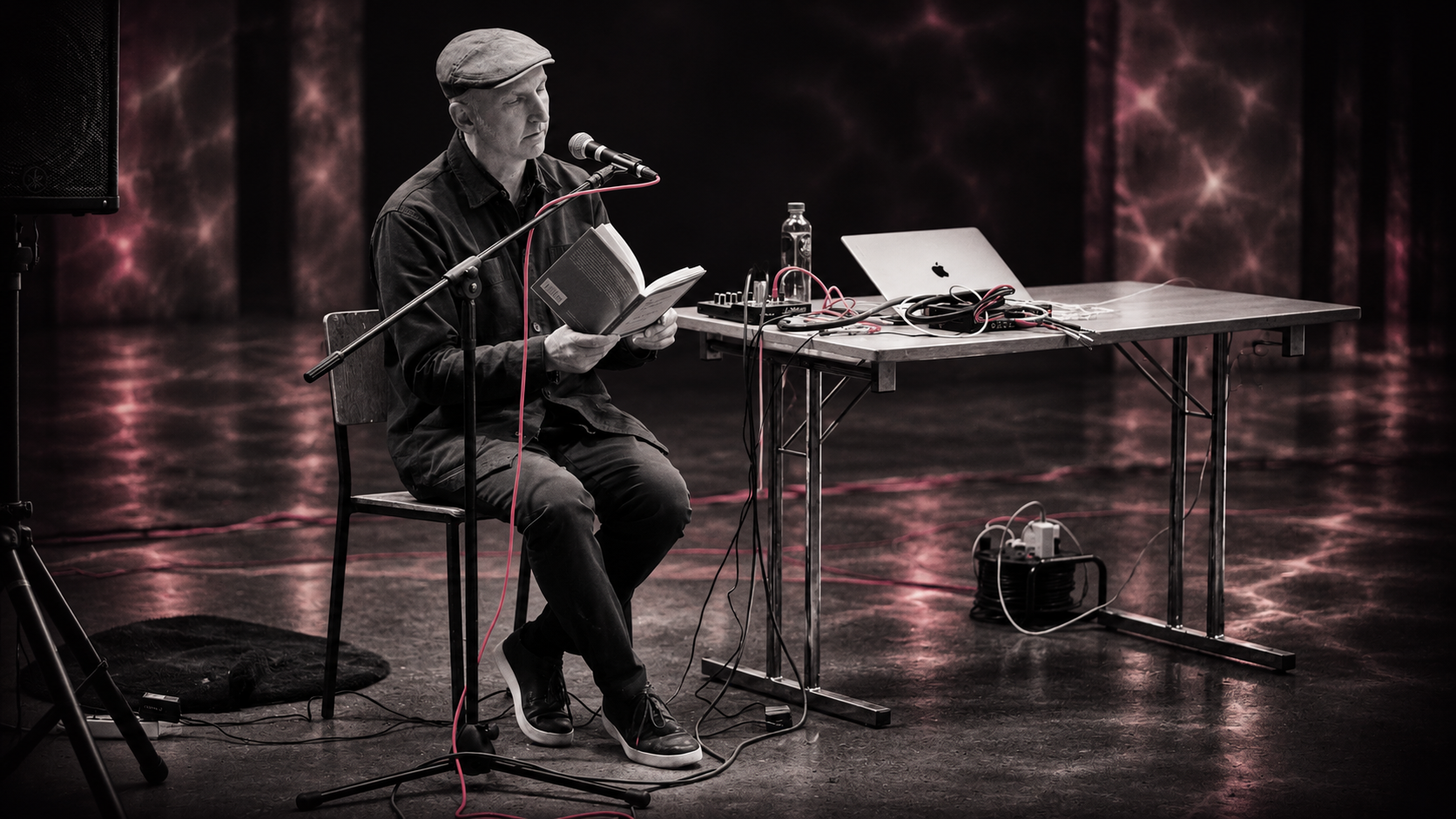
I would probably invite that person to our closing on 25 October at the Otto Wagner Areal. But Brandon LaBelle’s listening session or our concert at the Glaubenskirche Simmering would also be wonderful starting points.
The closing brings together listening sessions, live performances, DJ sets and shared food. You can simply drop by, listen, move or talk to other people.
I think one of the biggest barriers to experimental music is the idea that you need to know something about it to enjoy it. You do not need any particular prior knowledge to be curious. You are allowed to find music strange, surprising, moving or funny. And this year especially, it is not only about music for us, but also about exchange and encounter.
What remains after sound.
As the conversation develops, its focus shifts from individual works towards what happens between people. Maggale is not only describing how she shapes a festival. She is also explaining how that work has changed her own priorities. Listening and talking to one another have become inseparable for her.
Has an encounter at Sonic Territories changed how you listen — to a work, a place or a person?
One of the reasons I founded Sonic Territories was the conviction that listening outside the conventional concert context deserves more attention. Sound installations and sound sculptures have repeatedly helped me quiet my own thoughts and give myself over to listening. Some works have also opened up entirely new perspectives for me.
Listening requires attention, perhaps even a certain discipline. At a time when we constantly do several things at once, that is a valuable experience.
But working on Sonic Territories has also changed my outlook. The more festivals I produce, the more important the encounters and conversations around the art become to me. I value the meditative experience of listening just as much as a good conversation. That is why I want to create spaces for both. Amid all that noise, there has to be room for a good conversation, too.
19—25 OCTOBER / VIENNA